Planning a Road Trip Through Scotland

Scotland is a brilliant country to explore by road, but planning a route isn’t always straightforward. There’s a lot to fit in, distances can be deceptive and it’s tempting to try to see everything in one trip.

We’ve spent years helping people plan road trips around Scotland, from a few nights in the Highlands to longer adventures through the islands and along the west coast.

This guide covers the things we’d think about before setting off: when to visit, how long to allow, which routes are worth considering and how much driving is realistic each day.

And if you’d rather have someone help with the planning, that’s exactly what we do.

Plan My Trip

When is the Best Time to Visit Scotland

Spring (March – May)

Spring is a great time for a road trip, particularly if you’re hoping to avoid the busiest summer months. April and May can bring some lovely weather, the days are getting longer and accommodation is generally easier to find than in peak summer.

Summer (June – August)

Summer gives you the longest days, which means more time for walking, exploring and stopping along the way. It’s also the busiest season, particularly on Skye and the NC500. Book accommodation and ferries well ahead, and be prepared for midges in the Highlands.

Autumn (September – November)

September is one of our favourite months for exploring Scotland. The summer crowds begin to thin out, the colours start changing and there’s still plenty of daylight. By November, the days are much shorter and the weather can be less predictable.

Winter (December – February)

Winter road trips need a little more planning. Daylight is limited, particularly in December and January, and some Highland roads can be affected by snow and ice. But there’s plenty to enjoy: quieter roads, good Highland hotels and evenings spent beside a fire. Our Winter Collection is designed around travelling at this slower pace.
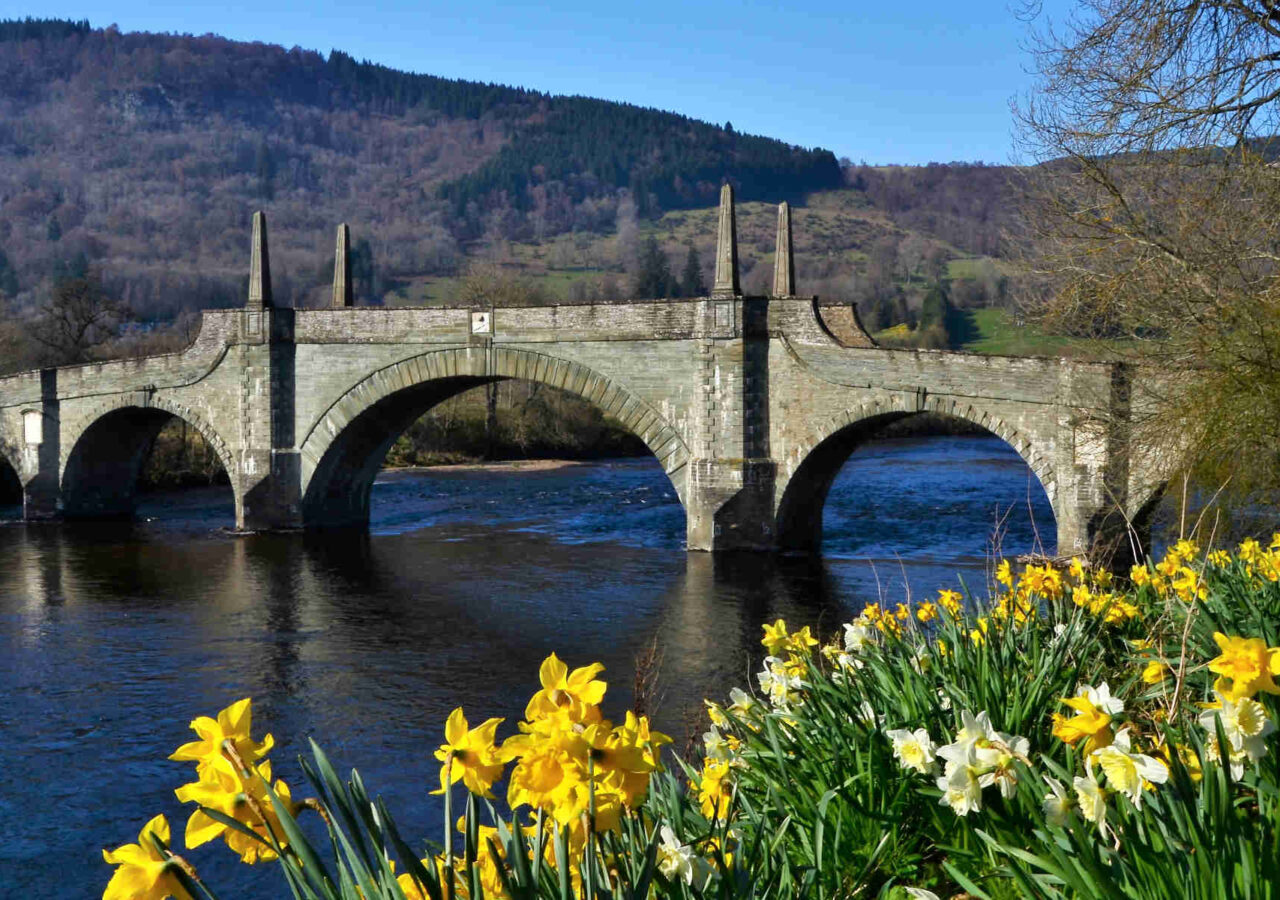
Aberfeldy Bridge in Spring

How Long Should Your Road Trip Be?

The ideal trip length depends on how deeply you’d like to explore. Our advice, don’t try and fit the whole country into one trip.

A 3-Night Scottish Road Trip
Perfect for travellers short on time, who want a taste of the Highlands. Our suggested route winds through the heart of Scotland, with rolling hills giving way to the rugged mountains of the Cairngorms.

Recommended route: 3 Nights – Heart of the Highlands

A 4-Night Scottish Road Trip
A balanced introduction to Scotland’s most iconic landscapes. This route blends driving along the stunning West Coast, with a glimpse into Scottish Island life.

Recommended route: 4 Nights – West Coast & Isle of Mull

A 7-Night Scottish Road Trip
This is our most popular self-drive itinerary and offers the perfect balance of adventure, luxury and iconic Highland scenery. From dramatic mountain passes and white sand beaches, to whisky distilleries and remote coastal villages, this route showcases the very best of Northern Scotland.

Recommended route: 7 Nights – North Coast 500

A 10-Night Scottish Road Trip
Ideal for travellers wanting to combine luxury travel with a deeper exploration of some of Scotland’s most remote regions. This itinerary hops around the beautiful Hebridean Islands, each with its own unique character and landscape.

Recommended route: 10 Nights – Hebridean Island Hopping

View of the Torridon valley

Which Scotland Road Trip Route Should You Choose?

Glencoe

There’s a reason Glencoe features in so many of our itineraries. The drive through the glen is spectacular, but it’s worth getting out of the car and spending some time here rather than simply passing through.

There are walks for all abilities, from shorter trails around Glencoe Lochan to more challenging days in the surrounding mountains. And if the weather turns, the Clachaig Inn is a good place to escape the rain and find something warm to eat.

We often suggest spending a night in the area, particularly if you’re travelling towards Fort William or the west coast.

Glencoe Itinerary
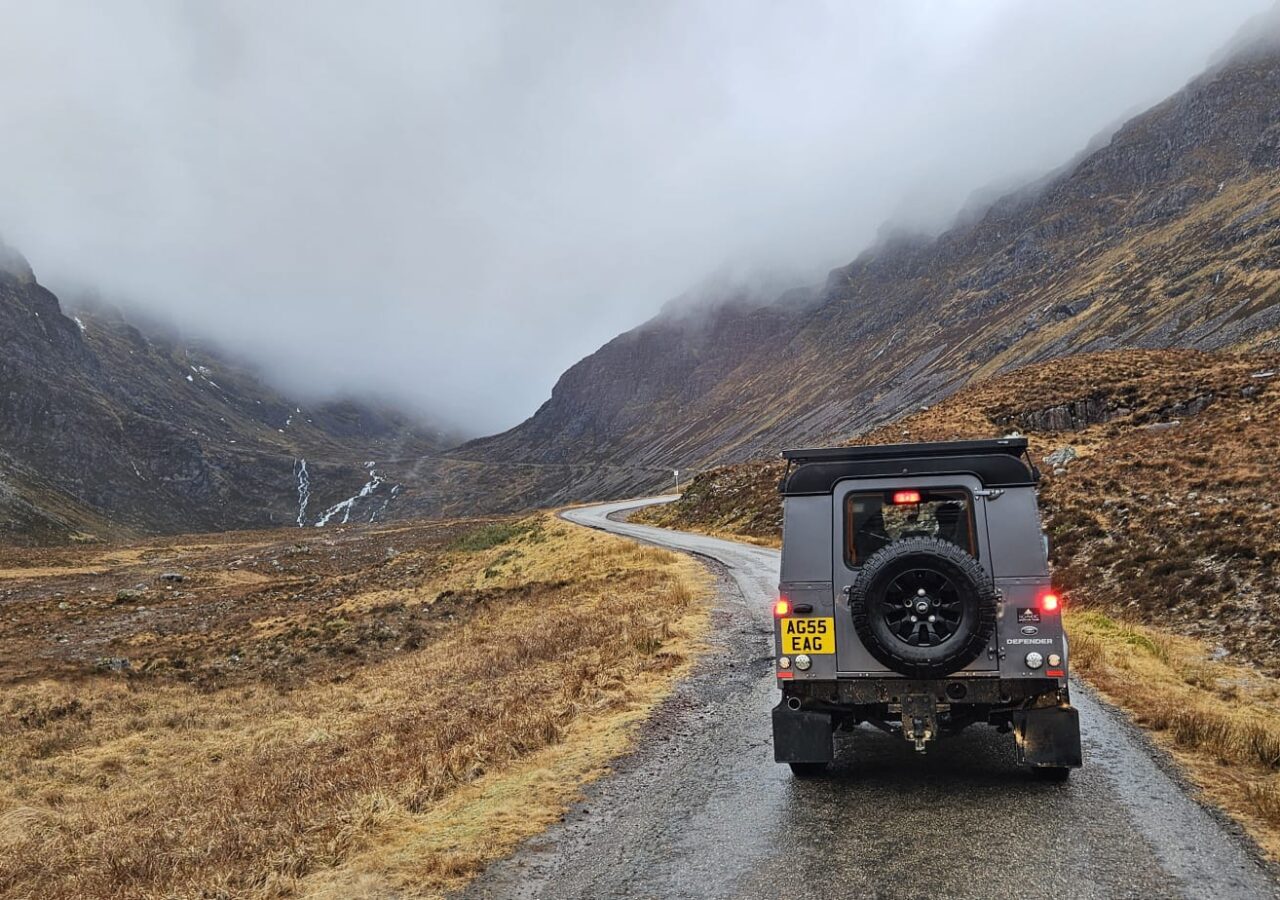
Defender driving in Glencoe

Isle of Skye

Skye is one of Scotland’s most popular destinations, and it’s easy to see why. The Cuillin mountains, the Quiraing and the Old Man of Storr are all worth seeing, but there’s much more to the island than its famous landmarks.

One mistake we often see is people trying to explore Skye in a single day. The roads are slower than you might expect, particularly in summer, and some of the best places involve a bit of walking. We’d recommend allowing at least two or three nights if you can.

The Trotternish Peninsula is a great place to spend a day, with stops at the Old Man of Storr, Kilt Rock and the Quiraing. On another day, you could head west towards Dunvegan or visit the Talisker Distillery, with a stop at the Oyster Shed for some local seafood.

Skye is connected to the mainland by bridge, but we also love the ferry crossing from Armadale to Mallaig. It’s a lovely way to arrive or leave, particularly if you’re combining Skye with a journey through Glencoe and the west coast.

Isle of Skye Itinerary
The Old Man of Storr

Is the North Coast 500 worth driving?

The North Coast 500 is probably Scotland’s best-known road trip. Starting and finishing in Inverness, the 516-mile route takes you around the northern Highlands, through Wester Ross, Sutherland and Caithness.

It’s a fantastic drive, with some of Scotland’s most remote beaches, mountain roads and small coastal villages along the way. We particularly love the west coast, where the roads wind between mountains and sea, and places like Torridon, Applecross and Clachtoll are well worth spending time in.

But the NC500 isn’t necessarily the right route for everyone.

It’s become incredibly popular, particularly during the summer, and trying to complete the full circuit in five days can mean spending more time driving than actually enjoying the places you’re visiting.

We generally recommend allowing seven to ten days for the route. That gives you time to walk along the beaches, explore the villages and spend a couple of nights somewhere rather than packing up and moving on every morning.

You can drive the NC500 in either direction. We often suggest travelling anticlockwise, heading up the east coast first before reaching the more remote roads of the north and west.

And you don’t have to drive the entire route. Some of our favourite Scottish road trips combine sections of the NC500 with Skye, Glencoe or the Outer Hebrides. It all depends on how much time you have and what you’d like to see.

Our advice: Don’t treat the NC500 as a challenge to complete. Pick the places that interest you, allow plenty of time and enjoy the bits in between.

For more detailed route advice, read our North Coast 500 Guide.

How Much Driving is Too Much?

One of the most common mistakes visitors make when planning a Scotland road trip is trying to see too much in too little time.

While Scotland may look small on a map, driving times can often be longer than expected. Single-track roads, mountain passes, ferry crossings and scenic detours all add time to your journey. In many cases, a route that appears to take two hours can easily become a half-day adventure once you factor in photo stops, walks, lunch breaks and unexpected discoveries along the way.

For this reason, we always encourage our Nomadic travellers to focus on quality rather than quantity. Instead of trying to tick off every major destination, allow yourself time to properly experience each region. Some of the most memorable moments happen when you slow down, take an unplanned detour or spend an extra night somewhere you unexpectedly fall in love with.

As a general guideline, we recommend limiting driving to between two and four hours per day, particularly if you’re travelling for leisure rather than simply moving between destinations. This creates a far more enjoyable pace and leaves plenty of time for exploring, hiking and relaxing.

When planning your route, remember that Scotland is best experienced slowly. The goal isn’t to cover the most miles — it’s to create a journey you’ll remember long after you’ve returned home.

Applecross Pass - Bealach na Ba

Choosing Your Vehicle

You don’t need a 4×4 to explore Scotland, but there’s something rather special about doing it in a Land Rover Defender.

Our fleet includes classic and new Defenders, along with the smaller Suzuki Jimny. They’re all quite different, and choosing the right one depends on who’s travelling, how much luggage you’re bringing and what sort of driving experience you’d enjoy.

Our Classic Defenders have plenty of character. They’re manual, a little more hands-on to drive and have lots of room for luggage and outdoor kit. If you like the idea of exploring Scotland in a traditional Land Rover, they’re hard to beat.

The New Defender 110 offers a more modern driving experience, with an automatic gearbox, comfortable seats and all the technology you’d expect. A good choice for longer journeys, families or anyone who prefers an easier drive.

And then there’s the Suzuki Jimny. Small, capable and great fun on Scotland’s winding roads, it’s a lovely option for two people travelling light.

If you’d like to camp along the way, our optional Adventure Camping Package includes a rooftop tent and the equipment you’ll need for a few nights outdoors. Or you can leave the camping kit behind and enjoy a road trip between Highland hotels.

Not sure which vehicle to choose? We’ll happily talk you through the options and help you find the right one for your trip.

Explore our Fleet

A few things to know before driving in Scotland

Driving around Scotland is generally straightforward, but there are a few things worth knowing before setting off.

Single-track roads: You’ll come across these regularly in the Highlands and islands. Passing places allow vehicles to get past one another, and it’s important to use them properly. Don’t park in them, even for a quick photograph.

Fuel stops: Petrol stations can be few and far between in more remote areas. We always suggest filling up before heading into the far north or out onto the islands.

Ferries: If your route includes Mull, Skye or the Outer Hebrides, check ferry timetables early and book vehicle crossings ahead, particularly during summer.

Driving times: Don’t rely entirely on the time Google Maps gives you. Narrow roads, sheep, tractors and the inevitable stops for photographs can all slow things down.

Weather: Conditions can change quickly in the Highlands. Check the forecast before setting off, particularly if you’re planning mountain walks or travelling in winter.

For more advice, have a look at our guide to driving on the left in Scotland.

Start Planning Your Road Trip

We’ve driven these roads, stayed in the hotels and spent plenty of time finding places we think are worth sharing.

When you hire a vehicle from Nomadic Scotland, we’ll help you plan a route around your dates, interests and the amount of time you have. That might mean a few nights camping in the Highlands, a week exploring the NC500 or a longer trip combining hotels and island adventures.

We’ll help with the itinerary, recommend places to stay and make sure you’re comfortable with your vehicle before you leave.

Explore our 4×4 hire options or get in touch to start planning.

Plan My Trip
Testimonials

This is a very belated review, but we had SUCH a fantastic trip to the Scottish highlands back in September, which was a birthday gift to my husband who has always wanted to go.
The setup from Nomadic Scotland could not have been more perfect for what we were looking for!
As we were only going for 4 nights, it was the perfect way to see all of the places we wanted to see without a faff of trying to find hotels etc which are far and few between.
Not to mention how much of a fun adventure it was! To have the flexibility was ideal. The tent was so easy to setup, and they provided some brilliant instructions and tips which massively helped.
Not to mention the van had everything we needed, so all we had to do was a food shop and we were good to go. The defender was easy to drive and added a fun element of the trip.
We had the most incredible time, and have had so many people asking us about the trip. I couldn’t recommend Nomadic Scotland more!

See more >>