
There’s something special about waking up with a view across a Scottish loch or watching the sun set over the west coast without having to rush off to check into a hotel. That’s exactly why we love travelling Scotland with a rooftop tent.
Instead of building your trip around accommodation bookings, a rooftop tent gives you the freedom to let the journey unfold naturally. Spend longer exploring Glencoe if the weather’s perfect, take the scenic detour over the Bealach na Bà to Applecross, or linger on the shores of Loch Maree because you simply don’t want to leave yet.
It’s a slower, more flexible way to experience Scotland, and for many travellers, that’s exactly what makes it memorable.
What Rooftop Tent Travel Looks Like in Scotland

Rooftop tents sit on top of a vehicle and fold out into a secure, elevated sleeping space. In Scotland, they’re particularly well-suited to self-drive travel because they allow you to:
- Travel at a relaxed pace
- Adjust overnight plans if weather changes
- Stay closer to the places you want to explore
- Reduce reliance on fixed accommodation
Rather than planning each night around a hotel or B&B, rooftop tent travel allows the day itself to shape where you stop.
From personal experience, they are much easier than trying to erect a traditional style tent. You just open the latches and the tent raises itself. Have a look at our FAQ on the camping set up for more details on what is included, and how easy it is to set up camp.
Why Flexibility Matters When Travelling Scotland
Scotland’s landscapes are compact, but conditions can vary dramatically from one region to the next. The famous Scottish saying that “if you don’t like the weather, wait 5 minutes” is particularly true when travelling in a country where you can experience all four seasons in one day.
Weather, daylight hours, and local conditions often influence how far you’ll want to travel in a day. Rooftop tents support this style of travel by removing pressure to reach a specific destination.
Rooftop Tents vs Traditional Accommodation
Choosing a rooftop tent isn’t about replacing accommodation entirely — it’s about having more options.
Rooftop tent travel offers:
- Quick setup and pack-down
- Comfortable sleeping space above wet ground
- Consistency, regardless of location
- A seamless link between driving and resting
Traditional accommodation offers:
- Fixed amenities
- Predictable routines
- Less flexibility if plans change
Many travellers combine both, using rooftop tents to create breathing room within a wider itinerary. We can work with you to build an itinerary that suits your style of travel, and incorporates as many, or as few, traditional accommodation styles as you want.
Where Rooftop Tent Travel Works Best
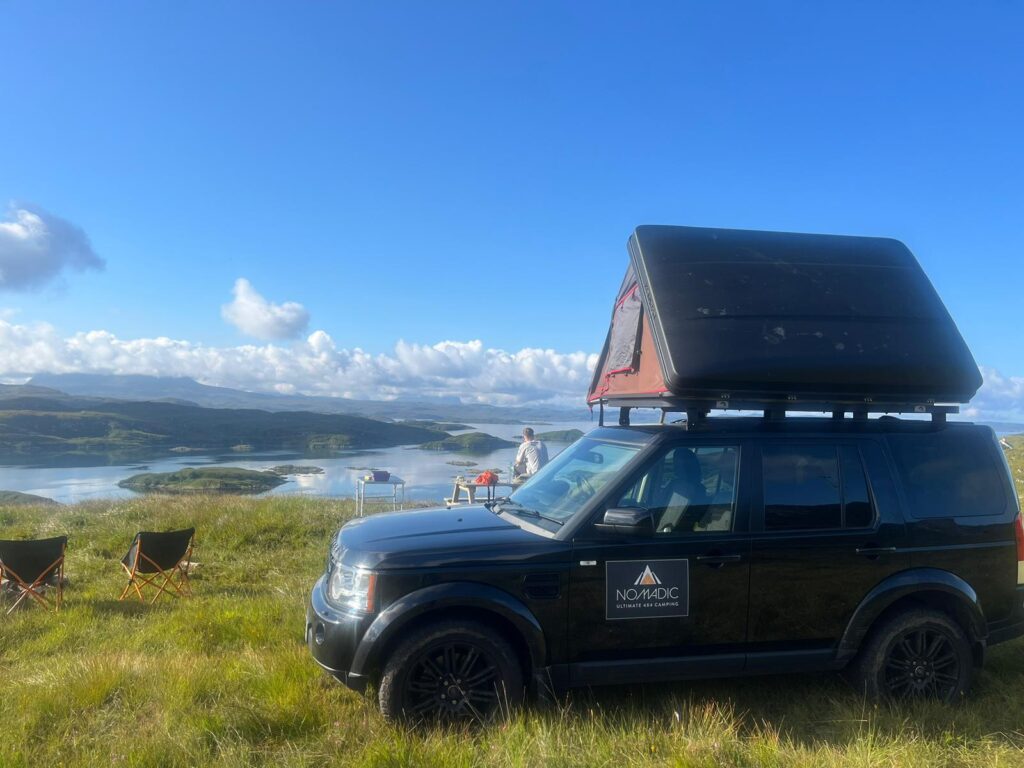
Scotland has no shortage of spectacular driving routes, but some regions lend themselves particularly well to rooftop tent travel.
The North Coast 500 is an obvious favourite, with dramatic beaches, mountain passes and countless walking opportunities along the way.
The west coast is equally rewarding. From Glencoe and Glen Etive to Ardnamurchan, Applecross and Torridon, every day seems to bring another unforgettable landscape.
If you’re looking for a family-friendly island adventure, our Hebridean Family Road Trip offers plenty of inspiration for exploring Scotland’s islands at a relaxed pace while making the most of rooftop camping opportunities.
The Cairngorms National Park also makes an excellent base, with beautiful forest drives, lochs and walking trails all within easy reach.
Responsible & Considerate Overnight Travel
Rooftop tent travel comes with responsibility. Scotland’s landscapes are shared spaces, and considerate behaviour helps ensure continued access for everyone.
Good practice includes using permitted campsites or appropriate overnight locations. We will always suggest staying in local campsites during your trip with us, not only do they ensure that no damage is done to the environment, but it also supports business in these local, often remote communities.
Responsible travel protects both the environment and local communities.
Rooftop Tent Travel With Families
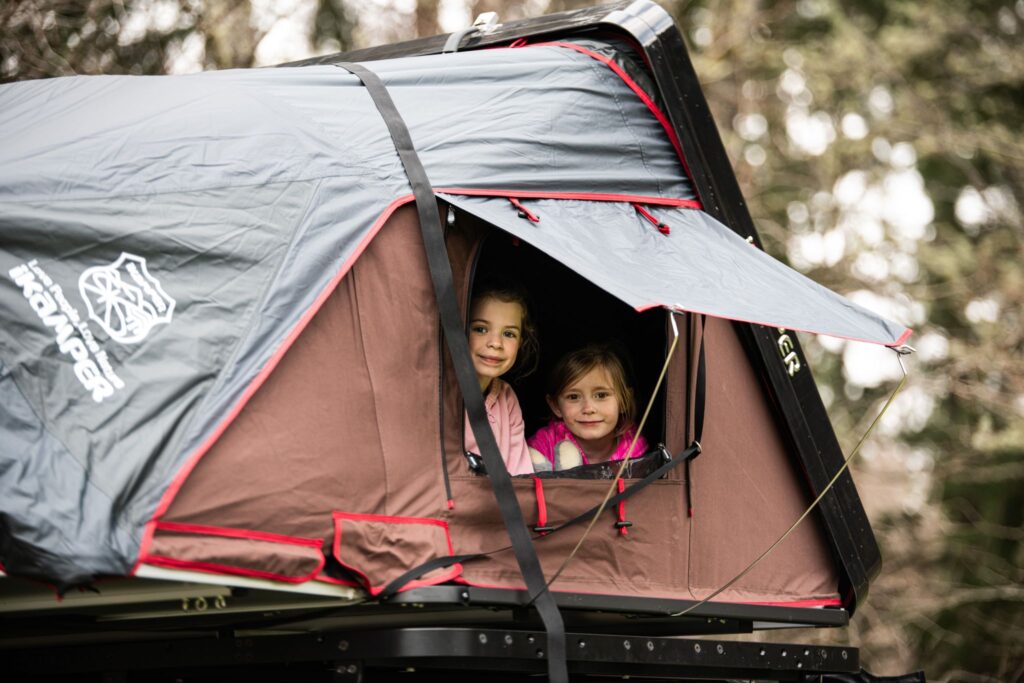
Families often tell us how much easier rooftop tents make road trips.
There’s no complicated setup after a long day exploring, the sleeping area stays organised, and children quickly settle into having the same familiar space every night. They also love climbing the ladder up to their own special bedroom!
More importantly, as a family, you’re free to slow the pace down. Stop for an extra walk, spend another hour on the beach or stay longer at a favourite viewpoint without worrying about making a hotel check-in time.
Planning a Rooftop Tent Trip Without Overplanning
Successful rooftop tent trips are loosely structured. The most important things to plan are:
- Regions you want to explore
- Seasonal conditions
- Driving distances
- Backup options
Beyond that, allowing space for change often leads to the most memorable experiences. Get in touch with our team today, and start planning your next rooftop camping trip!